Loading...
Serving Brookline, MA and surrounding areas. (857) 340-2193
Serving Brookline, MA and surrounding areas. (857) 340-2193
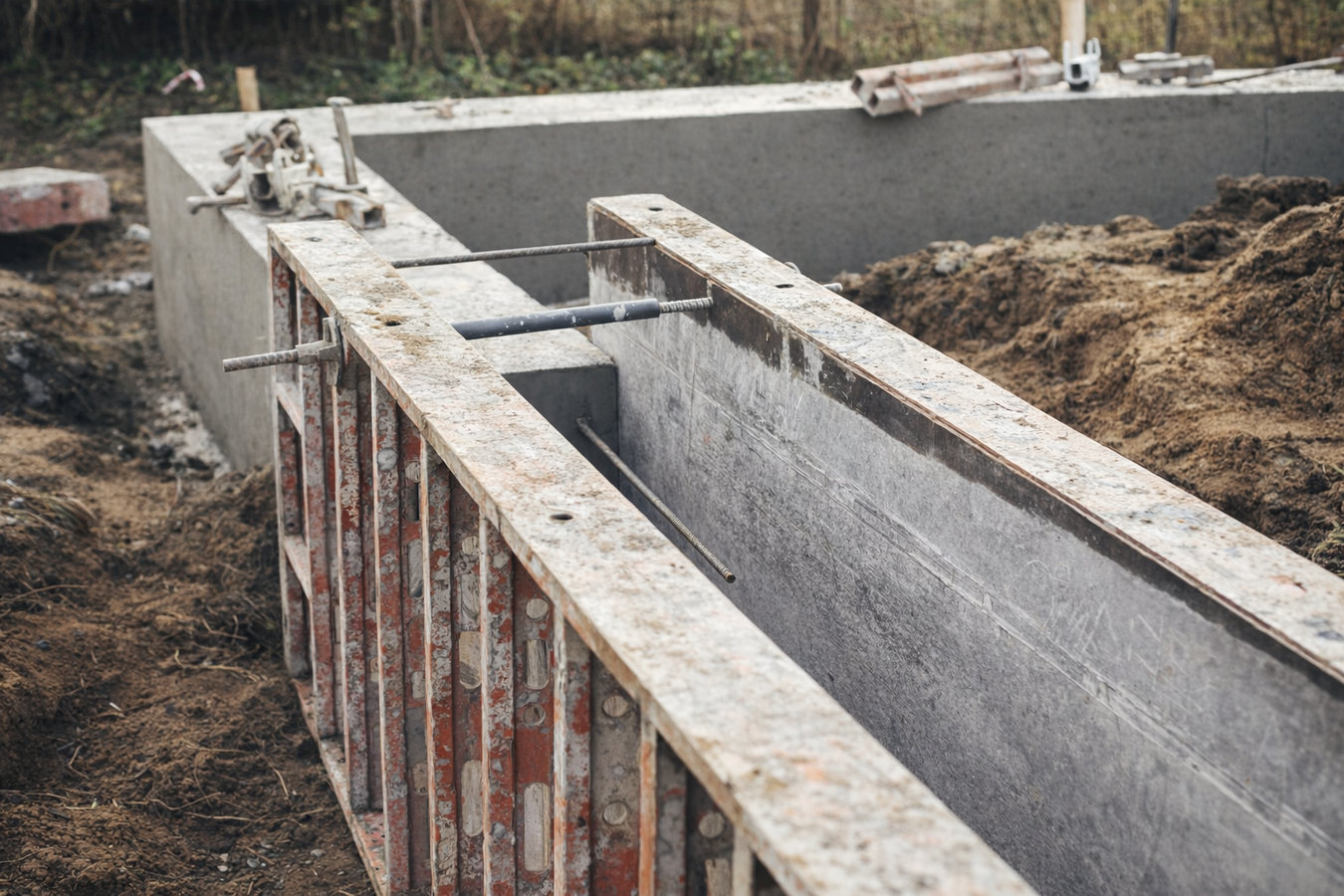
A sunken foundation or settled slab will not level itself. We lift it back, pull the permit, and address the drainage so it stays put.
Foundation raising in Brookline lifts a sunken or uneven slab back to its original level by pumping material into the void beneath it — most jobs covering a single settled area take between two and eight hours, and the area is typically usable the same day.
Brookline homeowners often notice the problem in spring, after a winter of freeze-thaw cycles has widened existing voids and pushed the foundation lower. The concrete itself is usually still sound — it is just sitting on soil that has shifted or eroded away. That is exactly the situation foundation raising is designed to fix, and it costs a fraction of a full replacement.
If your project involves a new structure on top of the existing foundation, you may also want to look at our slab foundation building work, which covers full new pours alongside raising and repair.
If a door that opened smoothly in October suddenly drags on the frame or fails to latch in March, the foundation beneath it has likely shifted during the freeze-thaw cycle. Brookline's clay-heavy soils make this a common springtime complaint. It does not always signal a major problem, but it deserves a look before the next winter makes it worse.
Horizontal or stair-step cracks running along the mortar joints of a brick or stone foundation are a visible sign of movement. In Brookline's older homes — many built before World War II — these cracks often appear after a particularly wet winter or a dry summer that causes clay soil to shrink. Cracks wider than a quarter inch, or cracks that are visibly growing, deserve a professional assessment soon.
If you can feel a slope walking across your basement floor, or if furniture rocks on what should be a flat surface, the slab has likely settled unevenly. This is different from normal house settling — it is a sign that a void has formed beneath the concrete. Left alone, the slab can crack under its own weight as that void grows.
If puddles form against your foundation wall after a rainstorm rather than draining away, that water is finding its way under the slab and eroding the soil beneath it. Brookline gets significant spring rainfall, and poor drainage is one of the most common reasons foundations settle here. Pooling water is both a symptom and a cause — the longer it continues, the larger the void grows.
We use two proven methods depending on your situation. Mudjacking — pumping a cement-and-soil slurry through holes drilled in the slab — is a cost-effective solution for larger areas where the weight of the material is not a concern. Polyurethane foam injection uses smaller entry holes, cures in minutes, and is lighter on the soil underneath, making it a strong choice for residential foundations and indoor slabs where you need the area back quickly.
Both methods can address the same core problem: a void beneath a structurally sound slab that has caused it to drop. The right choice depends on the size of the area, the type of slab, and how accessible the site is. We assess each job individually and explain the options before recommending anything.
For properties where the foundation has moved significantly, we often recommend reviewing the work alongside our concrete cutting service, which can remove deteriorated sections that are beyond raising and prepare the area for a proper repair.
Best suited for large exterior slabs like driveways and walkways where a lower cost per square foot matters most.
Ideal for interior basement floors, garage slabs, and stoops where fast cure time and minimal surface disruption are priorities.
Brookline sits in a climate zone where temperatures drop below freezing regularly from November through March, and the ground can freeze and thaw multiple times in a single week during shoulder seasons. Every freeze-thaw cycle loosens the soil beneath slabs, and Brookline's clay-heavy soils compound the problem — clay expands when wet and shrinks when it dries, putting constant lateral and vertical pressure on foundations across decades. This is why Brookline homeowners reliably notice new settling or worsening cracks each spring.
The town's housing stock adds a second layer of complexity. A large share of Brookline homes were built between the 1880s and the 1940s, many on rubble-stone or brick foundations rather than modern poured concrete. These older foundation types settle differently, and not every lifting method is appropriate for them. A contractor who has worked in Brookline regularly understands this distinction and will assess the material before recommending an approach.
We serve homeowners throughout Brookline and surrounding communities. If your property is nearby, we work regularly in Newton, Cambridge, and Somerville — all areas with similar older housing stock and the same seasonal soil challenges.
We ask a few basic questions about what you are seeing and where. You will hear back within one business day to schedule a free on-site assessment — there is no fee for the estimate visit.
We walk the perimeter, check inside the basement or crawl space where accessible, and measure how far the foundation has moved. We explain what we find in plain terms and give you a written estimate before you commit to anything.
Structural foundation work in Brookline requires a building permit. We handle the application to the Brookline Building Department on your behalf. Approval typically adds one to two weeks before we can begin.
The crew drills small holes, pumps material beneath the slab, and monitors the lift carefully — raising too fast can crack the concrete. When the foundation is back to level, the holes are patched nearly flush, the work area is cleaned up, and we walk you through drainage recommendations before leaving.
We respond within one business day. No commitment required — just a straight answer about what your foundation needs.
(857) 340-2193The Town of Brookline requires a permit for all structural foundation work, and we manage that application on your behalf. Permitted, inspected work stays on your home's official record — protecting you when you sell, refinance, or file an insurance claim.
State law requires a Massachusetts Construction Supervisor License for structural work on homes. Every foundation raising job we do is supervised by a CSL holder — you can verify it before we start.
The majority of Brookline's housing stock was built before 1940, many on rubble-stone and brick foundations that behave differently than modern poured concrete. We assess foundation material before recommending a method — not every lifting technique is safe for older masonry, and we will tell you honestly when a different approach is the right call.
Raising a foundation without addressing water and drainage leaves the repair vulnerable to the same settling again. We walk you through what we observe — grading issues, downspout placement, pooling areas — and give you practical recommendations before we leave. You are not just getting a lift; you are getting a plan for keeping the repair intact.
We have worked on homes across Brookline's neighborhoods, from narrow lots near Coolidge Corner to larger properties in Chestnut Hill. Older New England foundations require judgment, not just equipment, and our team brings both. Every job gets a site-specific approach, a permit if required, and a follow-up drainage conversation before we pack up.
Remove deteriorated or badly cracked sections cleanly before a foundation repair or replacement is made.
Learn moreFull new slab pours for garages, additions, and outbuildings when raising the existing foundation is not the right option.
Learn moreBrookline winters worsen settling every year it goes unaddressed. Contact us now to lock in your assessment date and stop the damage before it grows.