Concrete Steps & Stairs
Safe, durable concrete steps and stairs that provide reliable access and enhance your property appearance.
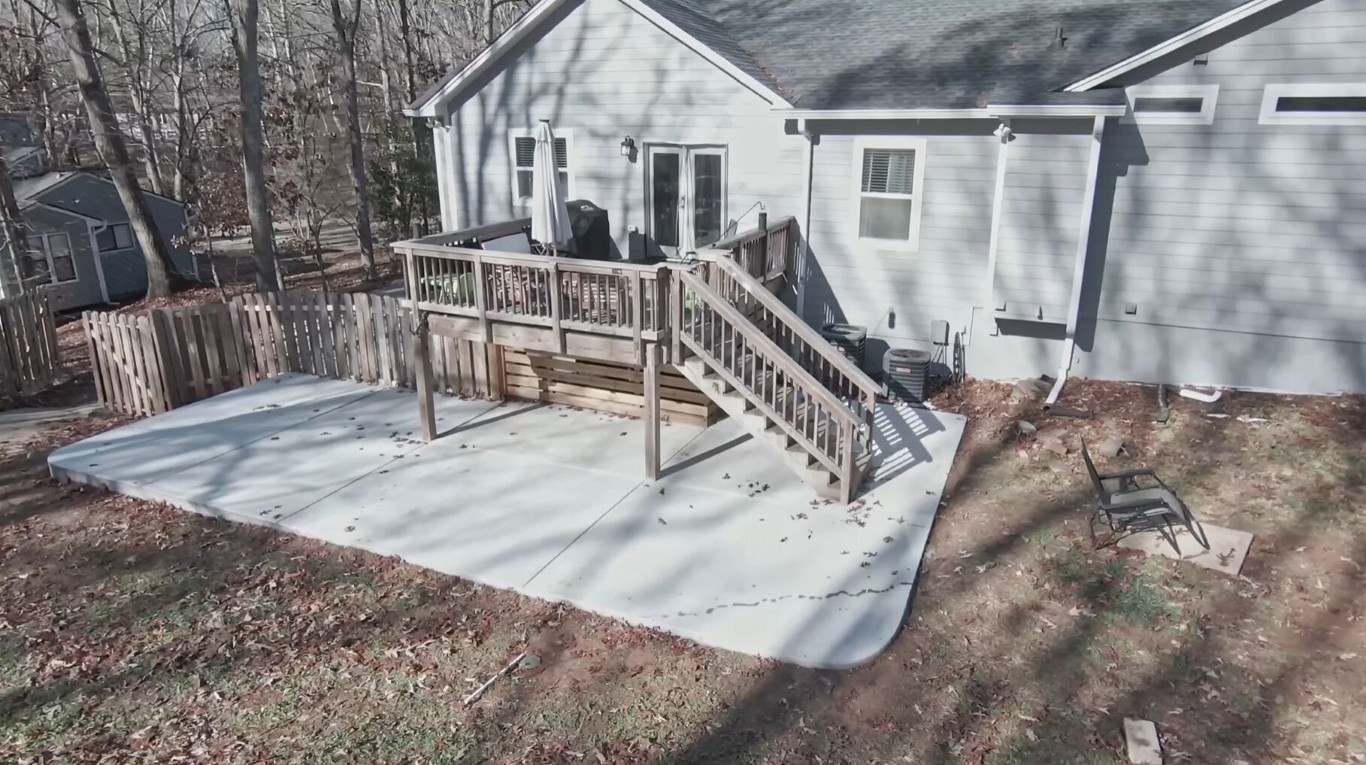
Building Safe and Attractive Concrete Steps
Your steps and stairs need to be safe, stable, and comfortable to use. Whether you need front entry steps, stairs from your yard to a lower level, or steps connecting your patio to your lawn, concrete provides the durability and reliability you need. Properly built concrete steps last for decades with minimal maintenance and handle daily use in all weather conditions.
In the Brookline and Boston area, steps face tough conditions including freeze-thaw cycles, snow and ice, and constant traffic. Concrete stands up to these demands better than wood, which rots and requires regular maintenance, or brick pavers, which can shift and become uneven. Quality concrete steps stay level, solid, and safe year after year. The initial investment in well-built concrete steps pays off through their long service life.
We design and build concrete steps for all types of residential and commercial applications. From simple three-step entries to long staircases managing significant elevation changes, our team has the experience to do the job right. We follow building codes for step dimensions, handrails, and safety features while creating steps that complement your property and look intentional. Every project receives careful planning to ensure the steps function well and enhance your property.
Design Considerations for Concrete Steps
Good step design is about more than just connecting two different levels. The steps need to be comfortable and safe to use, which means getting the dimensions right. Building codes specify maximum and minimum dimensions for step risers and treads, but within those requirements you have choices that affect how the steps feel when you use them.
The ideal step has a riser height between six and seven and a half inches, with treads at least eleven inches deep. These proportions create steps that most people find comfortable and natural to climb. Steps that are too steep feel scary and tiring to use. Steps that are too shallow waste space and can be awkward. We design your steps with dimensions that work well for the specific application and location.
When planning concrete steps, we consider:
- Total elevation change and how many steps are needed
- Width appropriate for the location and expected traffic
- Handrail requirements based on code and your preferences
- Integration with existing structures and landscaping
- Drainage to prevent ice buildup and water damage
- Lighting needs for nighttime safety
Appearance matters too. Plain concrete steps are functional and economical, but you might want decorative options like colored concrete, exposed aggregate, or stamped patterns on treads. Some homeowners add brick or stone facing to match their home exterior. Curved or angled steps can create visual interest and work better with certain property layouts. We help you balance practical requirements with aesthetic goals to create steps that work well and look great. If you are also planning patio work or other improvements, we coordinate the designs for a cohesive appearance.
Construction Process and Techniques
Building quality concrete steps requires precise formwork and careful execution. We start with a stable foundation, typically a concrete footing that extends below the frost line. This prevents the steps from shifting or settling with seasonal ground movement. The footing must be level and properly sized to support the weight and loads the steps will carry.
Forms define the shape and dimensions of each step. Accurate formwork is critical because concrete takes the exact shape of the forms. We build forms level and square, with proper dimensions for each riser and tread. Internal reinforcement like rebar adds strength and helps prevent cracking. For steps attached to buildings, we install isolation joints that allow the steps to move independently from the structure.
After pouring, finishing techniques create the surface texture and appearance. Treads need adequate texture for slip resistance, especially important in our climate where steps can be wet or icy. Edges must be properly formed and finished to prevent chipping. We cure the concrete properly before removing forms and allowing use. Handrails are installed according to code requirements, anchored securely into the concrete. The result is a staircase that is structurally sound, safe, and built to last.
Repairing and Replacing Existing Steps
Older concrete steps often develop problems like cracking, spalling edges, settling, or deterioration. Sometimes these issues can be repaired, while other times replacement is the better choice. We evaluate your existing steps and provide honest recommendations about repair versus replacement. Factors we consider include the extent of damage, the age and overall condition of the steps, and the cost-effectiveness of repairs.
Minor damage like small cracks or surface spalling can often be repaired cost-effectively. We remove loose concrete, apply bonding agents, and rebuild damaged areas with repair materials. For steps with settling issues, we might be able to use leveling techniques to restore proper alignment. However, if steps are badly cracked throughout, have significant structural problems, or are very old with multiple issues, replacement usually makes more sense than extensive repairs.
When replacing steps, you have the opportunity to improve on the original design. Maybe the old steps were too narrow or had awkward dimensions. Perhaps drainage was inadequate and caused some of the problems. Or you simply want to update the appearance. New steps give you a fresh start with modern building techniques and can include features the original steps lacked. Whether we are repairing or replacing your steps, the work integrates well with other concrete services like walkways for complete property improvements.