
Sidewalks, Walkways & Flatwork
Professional concrete sidewalk and walkway installation that connects your property safely and beautifully.
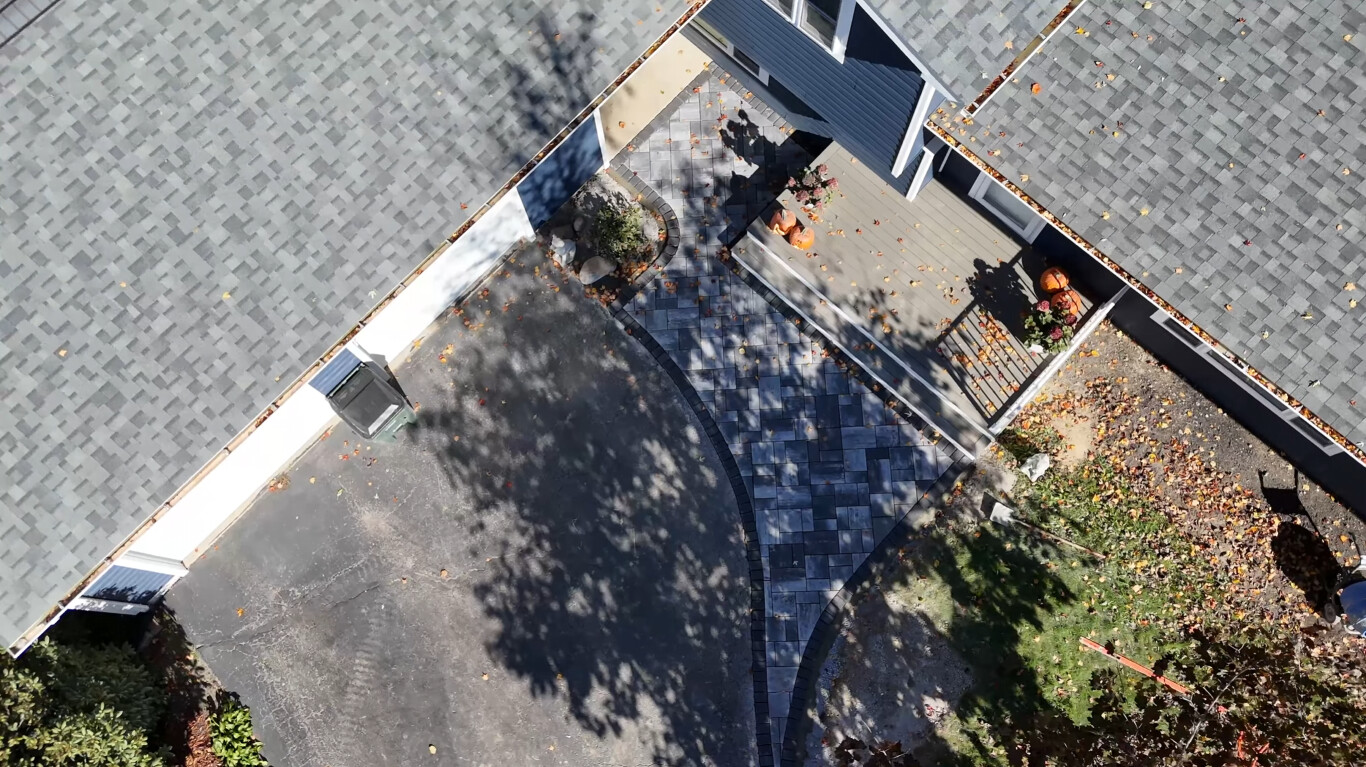
Creating Safe and Attractive Pathways
Sidewalks and walkways do more than just get you from point A to point B. They define the flow of your property, create safe paths for foot traffic, and contribute significantly to your home curb appeal. A well-planned walkway guides visitors naturally from the street to your front door or connects different areas of your yard. Quality concrete flatwork provides a stable, level surface that lasts for decades with minimal maintenance.
In Brookline and the surrounding Boston area, sidewalks need to withstand freeze-thaw cycles, snow removal, and daily foot traffic. Concrete is the ideal material because it handles these demands better than other options. Unlike wood that rots or brick pavers that shift and settle, properly installed concrete stays level and safe year after year. The initial investment in quality concrete work pays off through years of reliable service.
We install all types of concrete flatwork for residential and commercial properties. This includes public sidewalks, front walkways, garden paths, driveway aprons, and any other horizontal concrete surface. Whether you need a simple functional walkway or want something more decorative, we bring the expertise to deliver results that look great and perform well. Each project receives the same careful attention to proper grade, drainage, and finishing.
Planning Your Sidewalk or Walkway
Good walkway design considers both function and aesthetics. The path should follow a natural line that makes sense for how people move through your property. A front walkway typically runs from the driveway or street to your main entrance, while side and back walkways might connect to garages, patios, or gates. We help you think through the layout to create paths that work well and look intentional.
Width is an important consideration. A front walkway should be wide enough for two people to walk side by side comfortably, typically four to five feet. Side paths and utility walkways can be narrower, around three feet wide. For areas where you might move lawn equipment or other items, consider going wider. The right width makes your walkway more functional and comfortable to use.
When planning your concrete flatwork project, think about:
- How the walkway connects to existing structures and surfaces
- Proper slope for drainage while maintaining comfortable walking grade
- Whether you need curves to work around landscaping or obstacles
- Lighting placement if the path will be used after dark
- Integration with existing or planned landscaping
You also need to decide on the finish and appearance. Plain concrete with a broom finish is practical and slip-resistant. For more visual interest, consider stamped or decorative concrete that mimics stone, brick, or tile. Borders in a different color or texture can add definition and complement your home. The right choices create walkways that enhance your property rather than just serving a functional purpose.
Installation Standards and Techniques
Quality sidewalk and walkway installation requires proper preparation and technique. We start by excavating to the appropriate depth and creating a stable base using compacted gravel. This base prevents settling and provides drainage. For public sidewalks and high-traffic areas, the base preparation is especially critical because any settling creates trip hazards and leads to cracking.
The concrete thickness depends on the application. Most residential walkways are four inches thick, which is adequate for foot traffic. If vehicles might occasionally cross the walkway, we increase the thickness accordingly. We install reinforcement like wire mesh or fiber reinforcement to minimize cracking. Control joints are placed at regular intervals to guide where any cracks occur, keeping them straight and manageable.
Proper grade and drainage are essential for walkway longevity. We slope walkways slightly to direct water away from buildings and prevent pooling. The grade must be noticeable enough to shed water but gentle enough for comfortable walking and accessibility. Where walkways meet buildings, we install isolation joints that allow the concrete to move independently from the structure. These details might seem minor, but they prevent problems down the road.
Meeting Code Requirements
Public sidewalks and some private walkways must meet local building codes and accessibility standards. These codes specify minimum width, maximum slope, surface texture, and other requirements. In Massachusetts, accessibility standards apply to many commercial properties and some residential situations. We stay current with code requirements and ensure your project meets all applicable standards.
For properties in Brookline and surrounding towns, permit requirements vary depending on the project scope and location. Replacing an existing walkway in the same footprint might not require a permit, while new construction often does. We can advise you on permit requirements and help navigate the approval process if needed. Proper permits ensure your work meets standards and avoids issues if you sell your property later.
Accessibility is increasingly important, even for private residential walkways. If you or someone in your household has mobility limitations, we design walkways with appropriate slopes, widths, and transitions. Handrails can be added where needed. These considerations make your property more usable and can increase its value. Whether you need a basic walkway or accessible paths throughout your property, we design solutions that meet your needs. From walkways to patios and other flatwork, we handle all your concrete needs professionally.