Retaining Walls & Concrete Masonry
Structural retaining walls and concrete masonry solutions that manage slopes, prevent erosion, and enhance your property.
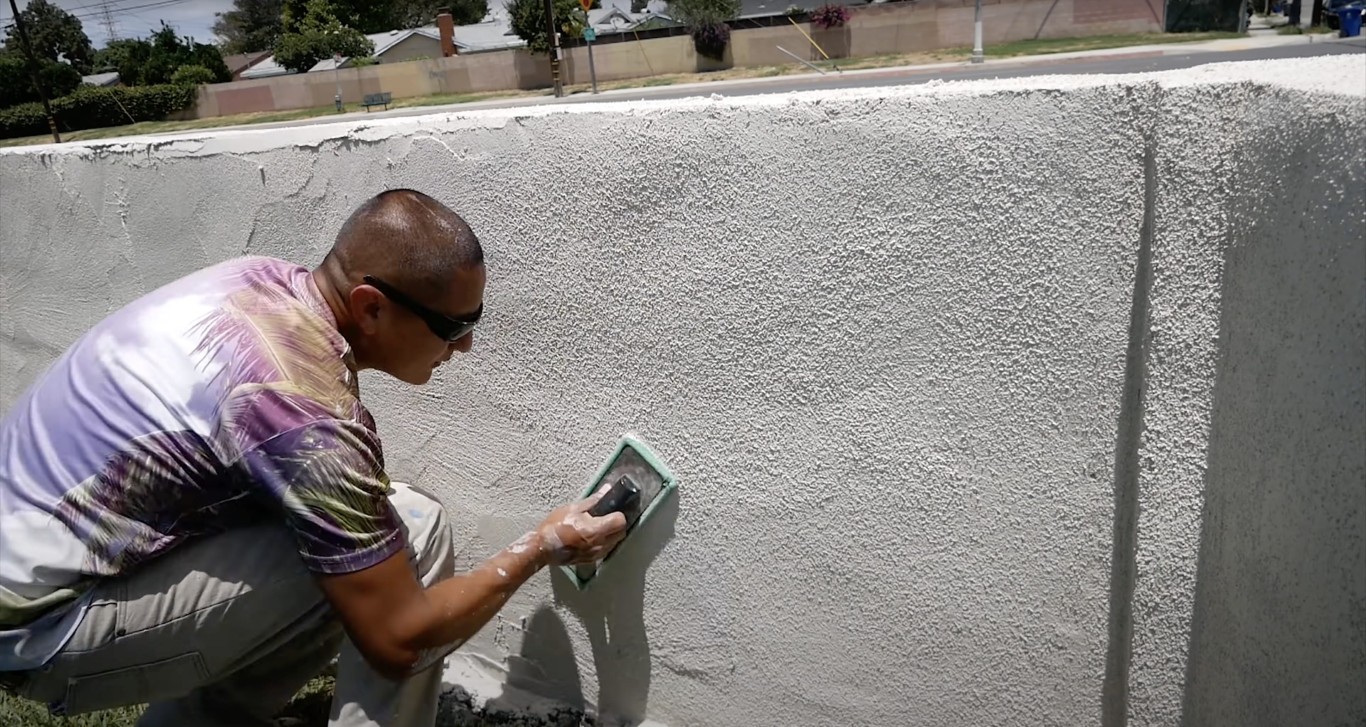
Managing Slopes and Maximizing Usable Space
Sloped properties present challenges but also opportunities. A well-designed retaining wall turns unusable hillsides into level, functional outdoor space. It prevents soil erosion, protects structures from sliding soil, and creates definition in your landscape. Whether you need to level an area for a patio, prevent erosion along a driveway, or create terraced gardens, retaining walls provide structural solutions that are both practical and attractive.
In the Brookline and Boston area, many properties have slopes that require management. Heavy rains, freeze-thaw cycles, and general erosion gradually move soil downhill if nothing holds it in place. This can undermine driveways, damage foundations, and create unsafe conditions. Retaining walls stop this movement and stabilize slopes permanently. They also let you reclaim unusable sloped areas and turn them into yards, gardens, or outdoor living spaces.
We design and build retaining walls using various materials and techniques depending on your needs, budget, and aesthetic preferences. Options include poured concrete walls, concrete block walls, and segmental retaining wall systems. Each approach has advantages for different situations. Our team evaluates your property and recommends the best solution for your specific conditions and goals.
Types of Retaining Walls We Build
The right retaining wall system depends on wall height, soil conditions, drainage, appearance preferences, and budget. We work with different retaining wall types and help you select the best option for your situation. Each system has specific advantages and limitations that we explain during planning.
Common retaining wall options include:
- Poured concrete walls for maximum strength and custom shapes
- Concrete block walls that balance strength with construction efficiency
- Segmental retaining wall systems with interlocking blocks
- Gravity walls that use mass to resist soil pressure
- Cantilevered walls with reinforced footings for taller applications
- Terraced wall systems that manage larger elevation changes
For walls up to three or four feet tall, segmental block systems often provide the best combination of appearance, cost, and performance. These systems use specially designed concrete blocks that interlock and set back slightly as they stack, creating a stable structure. Many attractive block styles are available that look like natural stone. These walls go up relatively quickly and handle moderate soil loads well.
Taller walls or walls holding back significant soil loads typically require poured concrete or reinforced concrete block construction. These walls need engineered footings that extend below the frost line and proper reinforcement to handle the forces involved. The additional engineering and construction complexity increase costs, but the result is a wall that safely manages substantial loads and lasts for decades. We work with engineers when required to ensure walls meet structural requirements and local codes.
Critical Elements of Retaining Wall Design
A retaining wall must resist constant pressure from the soil behind it while dealing with water, frost, and sometimes vehicle loads. Proper design considers all these factors. The most common cause of retaining wall failure is inadequate drainage, so we pay special attention to water management. Without proper drainage, water builds up behind the wall, increasing pressure and potentially causing the wall to fail.
We install drainage systems behind retaining walls to direct water away rather than letting it accumulate. This typically includes a gravel drainage zone behind the wall and perforated drain pipes at the base that carry water to appropriate discharge points. Weep holes through the wall face allow any trapped water to escape. These drainage elements are essential, even though they are hidden from view once construction is complete.
Foundation design is equally critical. Retaining walls need stable footings that extend below the frost line in our climate. The footing width and depth depend on wall height and soil conditions. For taller walls, we install deadman anchors or tiebacks that extend into the soil behind the wall for additional stability. These structural elements ensure your wall stands up to the loads and conditions it will face. Proper design and construction create retaining walls that perform reliably for many years.
Concrete Masonry Applications
Beyond retaining walls, we handle various concrete masonry projects for residential and commercial properties. Concrete block and masonry construction provides durable, low-maintenance solutions for many applications. Common projects include foundation walls, garden walls, equipment enclosures, trash enclosures, planters, outdoor kitchens, and property walls.
Concrete masonry units come in many sizes, shapes, and finishes. Standard gray block is economical and functional for foundations and utility structures. Split-face block has a textured appearance that looks like natural stone. Decorative block in various colors and patterns works well for visible walls and landscaping features. We help you select appropriate materials for your project goals and budget.
Proper masonry construction requires skilled tradespeople who understand mortar mixes, proper bonding patterns, and reinforcement requirements. We follow industry best practices for block laying, joint tooling, and curing. Whether you need a simple foundation wall or decorative masonry features for your landscaping, we deliver professional results. Our masonry work integrates well with other concrete services like patios and walkways for complete property improvements.